
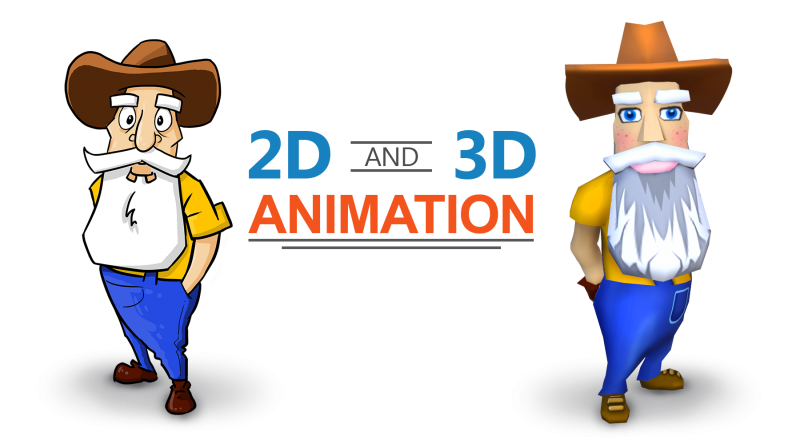
Creating animations that are synthesized on the computer is the focus of this course. Computer-generated lighting and backgrounds are used with original characters developed by students. Computer animation production techniques are used to create an animation project. In today’s digital day and age, it is quite evident that the animation industry is booming at such a rapid rate. Animation study is a very progressive field with tons of scope in hand. If one takes an animation course, it is sure of the fact that job opportunities and creative knowledge will simply flow in. Nowadays the theatres are flooded in with audiences whenever an animated movie shows up.
3D animation has various steps and departments to go through. To learn about animation studies you must take up an animation course that will help you get to know about the different modules and techniques. The below-mentioned topics are some of the primary and important topics that you will learn in your animation course.
Introductory Animation
This beginning animation course exposes students to the range of traditional and digital techniques used in stop-motion, animation, and 2-D or 3-D computer animation. Students learn basic theory and mechanics behind animation, develop observational and drawing skills and study the fundamental principles of character design, layout, and storyboarding.
2-Dimensional Animation
Through lectures, demonstrations, and hands-on exercises, animation students learn squash and stretch, follow-through, keyframing, and overlap techniques while creating their own short animation projects. This is one of the first classes future animators take to learn basic animation skills.
Storyboarding for Animation
Animation is designed on storyboards. Students learn basic animation theory and mechanics, develop observational and drawing skills, and study the fundamental principles of character design, layout, and storyboarding in this class. Storyboards are created for each animated character, and a rough version of the animation is put together. This practice is called animatics.
3-Dimensional Animation
Specialized software, such as Studio-Max and Autodesk Maya, is used to create 3-dimensional images for animations. Much of this class is spent becoming familiar with the software and creating short 3-dimensional animations used for film or video games. Students should complete a 2-dimensional animation course before taking this course.
Computer Animation
Creating animations that are synthesized on the computer is the focus of this course. Computer-generated lighting and backgrounds are used with original characters developed by students. Computer animation production techniques are used to create a short animation project.
Now that you have understood a little about all the animation fields, it is about time that you try your hand in this field and, to attempt, go select a course of your choice from a good animation institute
Conclusion
Animation is more than just creating moving visuals—it is a dynamic field that combines creativity, storytelling, technology, and design. From 2D and 3D animation to VFX, motion graphics, and character design, animation studies offer students a wide range of opportunities to develop practical and industry-relevant skills.
Choosing the right course, learning essential software, building a strong portfolio, and gaining hands-on experience can help students turn their creative interests into a rewarding career. Whether you are starting after Class 12 or looking to upgrade your skills, understanding the complete journey of animation studies can help you make a confident career decision.
With the growing demand for animated content across films, gaming, advertising, OTT platforms, education, and digital media, animation continues to offer exciting career possibilities for creative learners who are ready to keep learning and evolving.
Explore More :Best Animation Courses for 2D, 3D & Motion Graphics in Kolkata
Visit Us Today :

Pooja Sharma is a creative education content writer who creates engaging articles on career guidance, skill development, and learning opportunities to help students make informed decisions.