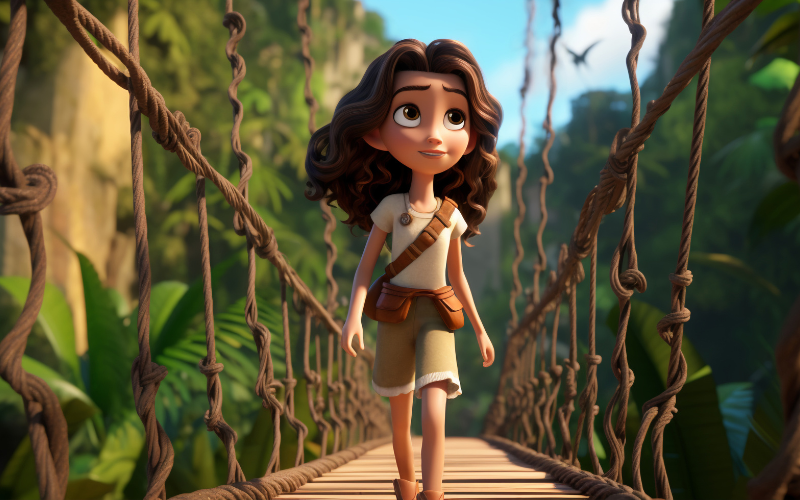
Animation is not only cartoons on television or movie characters anymore. It has evolved into a vast world where technology meets art. Today, imagination has no boundaries. In the modern world of animation, there is so much that is new. One of the most exciting trends is the hybridisation of 2D and 3D techniques.
This trend is not just moulding the industry. It is also changing the way students learn about animation. Modern institutes and academies are reconsidering their curricula to make students learn this potent combination of skills. Tomorrow’s animators won’t be working in 2D or 3D. Rather, they will be working in both simultaneously.
Let’s see what hybrid 2D–3D animation is. We will also explore its importance. Let us also find out how it is changing how students are pursuing 2D 3D animation training today.
What is Hybrid 2D–3D Animation?
Hybrid 2D–3D animation is a style that takes the charm of traditional 2D animation. This technique blends it with the depth and realism of 3D animation.
- 2D animation uses flat drawings and illustrations. It produces a nostalgic, handmade quality. Consider classic Disney films or Japanese cartoons.
- 3D animation builds objects in three-dimensional space. That makes them look real and dynamic. Films like Toy Story or Frozen are great examples.
Now, imagine blending both. The outcome is a hybrid animation. It retains the artistic quality of 2D while adding the spatial depth and flexibility of 3D. The result is more engaging. There are distinctive visuals, with the visual energy being brighter and more engaging. It is full of variations.
Hybrid animation is currently applied to movies, television, commercials, video games, and even educational materials. It provides an artistic play space with the freedom of expression. You will work in 2D and 3D without being limited to just one style.
Why Hybrid Animation is Important Today
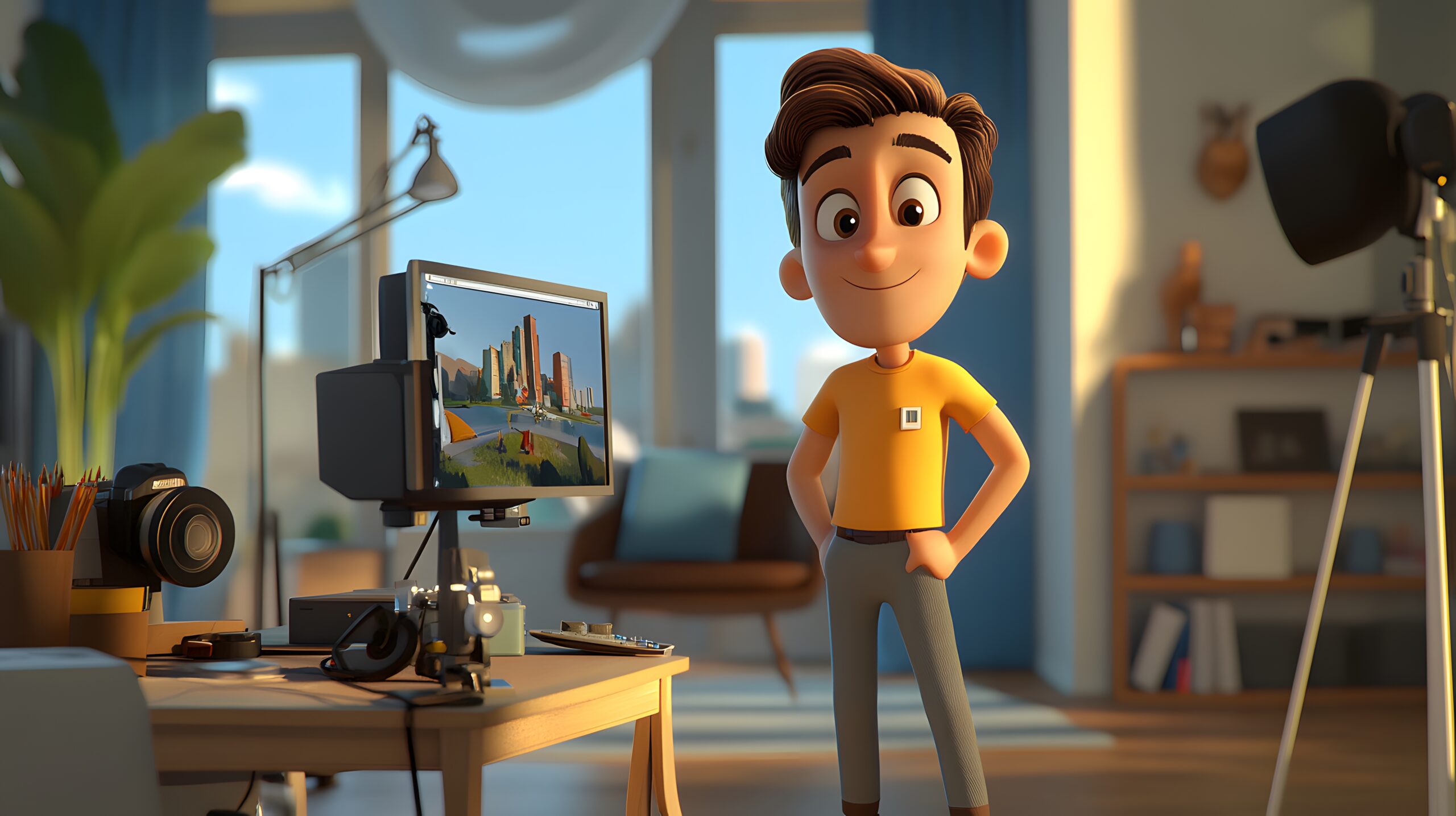
Hybrid animation is not going to be a trend. It is the future of entertainment and storytelling.
- Global Appeal: Most audiences continue to cherish the magic of 2D. We see some people are drawn to the realism of 3D. But a hybrid animation just amuses with the best of both worlds.
- Stronger Storytelling: Deep and complicated emotions often play better in 2D design. However, movement and action flow more softly in 3D. Achieving stories that engage with both are impactful and yield emotional depth.
- Industry Expansion: Reports are putting the worldwide animation industry above 400 billion dollars. It will happen within the next few years. Hybrid animation is one of the main drivers of this trend.
- Popular Use in Media: From games to television shows, hybrid animation is all around us. Titles that combine both styles tend to achieve more engagement from viewers.
- Future-Proof Skill: For students, studying hybrid techniques implies being future-ready. Studios nowadays need animators proficient in mixed styles and tools.
Integration of Hybrid Animation in Current Curriculam
Animation institutes have soon understood that it is not sufficient to teach merely 2D or merely 3D. Hybrid skills have now become part of the regular curriculum. This is how they are being incorporated:
1. Groundwork in 2D and 3D Fundamentals
Students learn the fundamentals of both worlds first. They know sketching, storyboarding, and 2D character animation. While doing that, they practise 3D modelling, texturing, and rigging. This way, they have an idea about how each style functions before merging them.
2. Blending Techniques Courses
Special modules today focus on blending 2D with 3D. Students learn to superimpose 2D effects on 3D characters. They also gain knowledge on incorporating 3D backgrounds in the backdrop of 2D characters. These methods provide depth without sacrificing the allure of hand-drawn images.
3. Use of Industry Software
Curricula consist of training on contemporary tools such as Toon Boom Harmony, Blender, and Maya. These applications enable seamless integration of 2D and 3D workflows. Students learn to transition between tools and styles easily.
4. Real-Life Projects
Assignments are mostly hybrid projects. For instance, students may produce a short film in which 2D characters navigate a 3D world. This enables them to realise how each style can enhance storytelling.
5. Focus on Visual Storytelling
Instructors focus on how hybrid styles affect emotion and storytelling. Students are not just learning the technical aspects of a scene. They are also learning the art decisions behind utilising 2D or 3D.
6. Collaboration Exercises
Curricula promote collaboration. One team can work on 2D assets, and another can work on 3D environments. Students later integrate their work into a single final project. It is like actual studio pipelines.
7. Exposure to Industry Trends
Workshops, guest speakers, and case study examples of studios doing hybrid animation keep students on the pulse. They experience the use of the techniques performed by pro teams working on commercials and blockbusters.
Famous Examples of Hybrid 2D–3D Animation
Hybrid animation is not some theoretical concept in textbooks. It’s already gaining fame worldwide and setting new benchmarks for creativity. Here are some examples that reveal the enormity of this fusion:
1. Spider-Man: Into the Spider-Verse
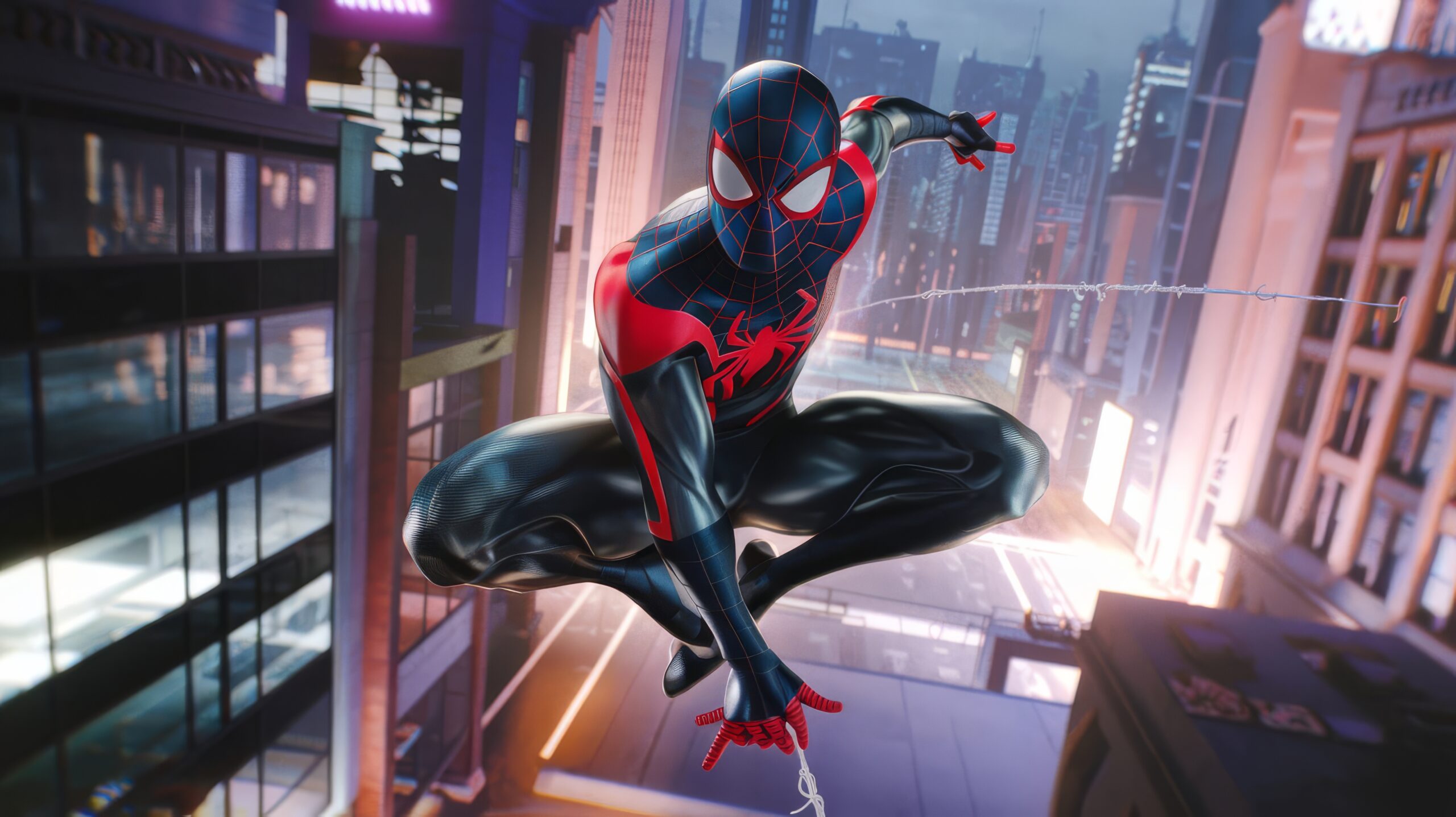
The film, which won an award, has been termed a revolution in animation. It used bold 2D comic-style graphics superimposed on 3D animation. It felt like living in a comic book. Each frame bursts with life, blending hand-drawn textures with smooth 3D movement. It demonstrated that viewers love new and innovative styles.
2. Klaus
This Netflix film had a nostalgic look of old-school 2D. It amazed us all with highly sophisticated lighting and shading techniques using 3D resources. The character animation had all the qualities of being hand-drawn. The depth and lighting gave it a contemporary cinematic feel. The film earned several awards. It also revealed to the industry that 2D still can enchant when combined with 3D.
3. Arcane
The League of Legends universe-based series surprised audiences with its aesthetic. It merged painterly 2D visuals with dense 3D environments and characters. The blend created visuals that were artistic yet realistic, creating a new standard for animated series.
4. Indian Animation Projects
In India, hybrid styles are also making inroads. Several ad films apply 2D characters in 3D backgrounds to achieve dramatic effects. Production houses in Mumbai and Bengaluru are testing hybrid animation for short films, educational features, and even kids’ shows. This blend not only makes the content good-looking but also saves money without lowering the quality.
5. Gaming and VR
Most contemporary games utilise hybrid animation. For example, 2D elements such as fire, smoke, or magic spells overlay 3D figures to produce engrossing experiences. This also happens in AR and VR projects. Here, fusing both styles provides a fuller, more interactive environment.
Through these examples, students can understand that hybrid animation is not merely a theory. It’s an actual and emerging trend that is defining blockbusters, series, commercials, and video games globally. Today, the institutes teach the very same styles influencing audiences around the world.
Facts and Figures on the Influence of Hybrid Animation
We cannot ignore the following statistics:
A recent survey indicates that hybrid animation is utilised in over 40% of modern animated ventures.
- Movies that incorporate both 2D and 3D styles typically fare 20–30% better on the audience participation front than one-style works.
- Game designers increasingly apply hybrid styles to develop distinctive visuals. More than 50% of mobile games released in recent years employed at least some hybrid processes.
These statistics validate why curricula worldwide are incorporating this trend.
How a 2D or 3D Animation Course Can Help
Learning animation is not merely learning software. It’s learning how to think technically and creatively simultaneously. A good course helps in several ways:
- Strong Foundation: The best animation courses cover fundamentals in drawing, anatomy, storyboarding, and character design for 2D. Students learn modelling, lighting, rendering, and more for 3D.
- Skill Expansion: Apart from technical skills, students know how to blend both styles with utmost effect. This equips them for hybrid projects.
- Hands-On Training: Actual assignments and live projects make sure that students don’t merely get educated but also develop portfolios.
- Problem-Solving Skill: Courses challenge students to overcome issues such as making 2D and 3D assets look natural together. These make them assets to studios.
- Career Readiness: Many courses also emphasise skills, professionalism, teamwork, and presentation of portfolio work. These are as important as technical knowledge.
A degree in animation will be the right beginning for your career.
How to Choose the Right Institute for Learning Animation
Not every institute is the same. The choice of where to study can determine the quality of your career. This is what you should pay attention to:
- Curriculum Update: Ensure the institute approaches hybrid methods and teaches these skills. They should display not just traditional 2D or 3D methods.
- Experienced Faculty: It should have experienced teachers who have industry experience and can guide based on real-world expertise.
- Practical Training: It should emphasise project-based learning rather than theory.
- Industry Tools: Verify if they train the students on the latest software used in studios.
- Placement Support: Institutes that provide internships and job placements give the student an added advantage.
- Creative Environment: The place where the right work should happen welcomes experimentation and innovation, not technical drill.
The appropriate institute to learn from is much like choosing the right mentor. It defines not only skills but also confidence and creativity.
Conclusion
2D–3D hybrid animation is not a creative experiment. It is the storytelling of the future. It provides new, vibrant experiences to audiences and presents students with exciting opportunities to expand as utility artists.
Today’s curriculam are embracing this mix, grooming the future generation to move into an industry that is quick, competitive, and international. For students, studying hybrid animation opens up possibilities for jobs in movies, commercials, games, and beyond.
The future of animation is in the hands of those who can mix art and technology with boldness. Get started today with Moople Academy. Be part of the movement that shapes tomorrow’s world of animation.

Swarnali Chatterjee is an SEO content writer specializing in education blogs for colleges and universities. She creates well-researched, search-optimized content that simplifies academic programs, admissions, and career opportunities for students and parents. With a strong grasp of higher education trends and SEO best practices, she helps institutions boost online visibility and credibility through clear, student-focused writing.