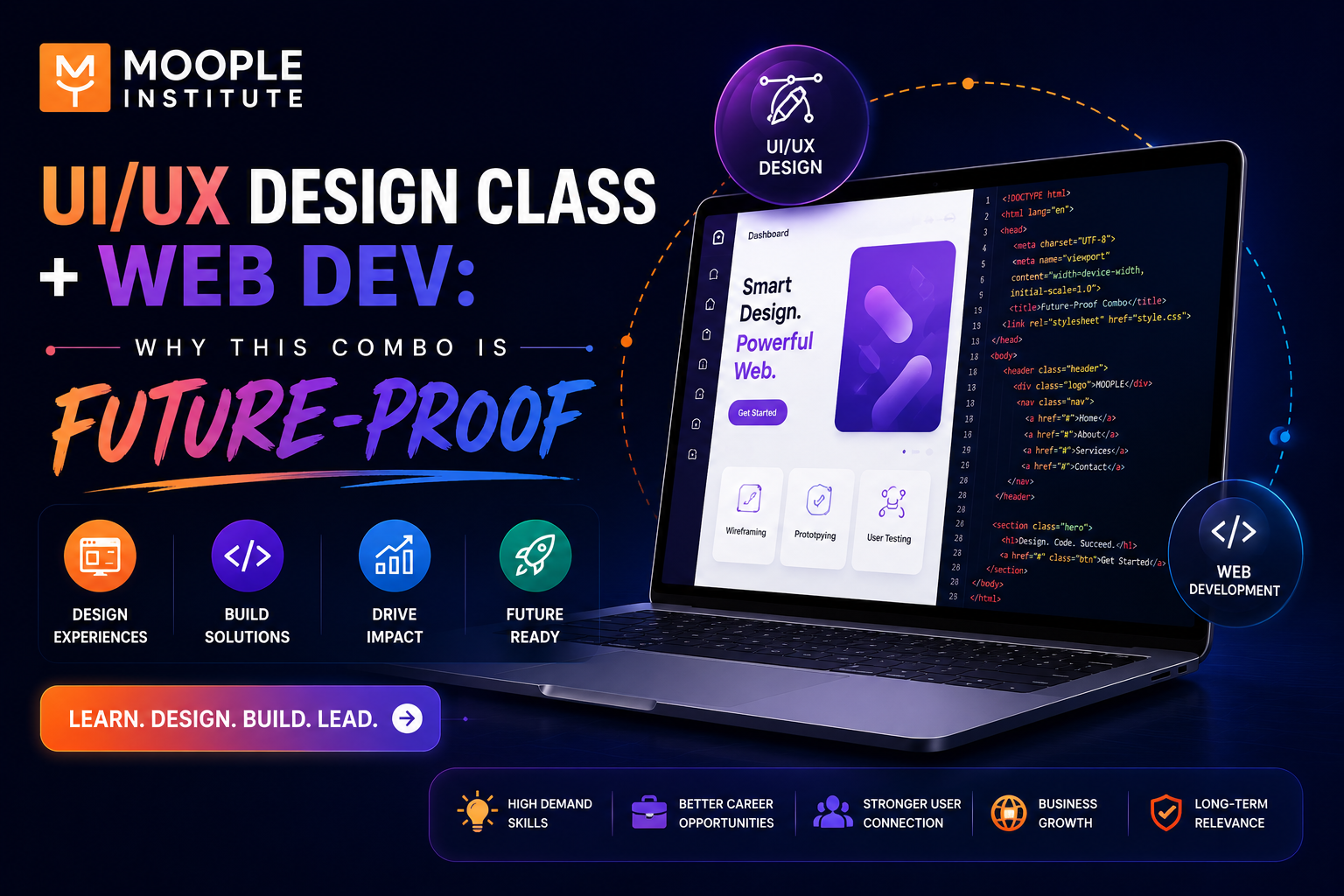
Technology is evolving faster than ever, and employers are looking for professionals who can do more than just one job. Companies want creative thinkers who can design engaging user experiences and developers who can bring those ideas to life. This is why combining a UI/UX design class with a Web Development Course has become one of the smartest career decisions for students today.
Whether you are a student exploring career options after school, a graduate looking for practical skills, or a parent concerned about your child’s future employability, this combination offers a powerful advantage. While UI/UX teaches you how users think and interact with digital products, web development equips you with the technical skills needed to build those products.
In a digital-first world where businesses rely heavily on websites, apps, and online platforms, professionals who understand both design and development are becoming increasingly valuable. Let’s explore why this skill combination is future-proof and how it can help you build a successful career.
Understanding UI/UX Design and Web Development
UI/UX design focuses on creating digital products that are visually appealing and easy to use, while web development turns those designs into fully functional websites and applications. Together, they create seamless digital experiences that users enjoy and businesses need.

Before discussing why this combination works so well, it is important to understand what each field involves.
What is UI/UX Design?
UI (User Interface) Design focuses on the visual elements of a website or application, including colors, typography, layouts, and buttons.
UX (User Experience) Design focuses on how users interact with a product and how easy, enjoyable, and efficient that experience feels.
Students enrolled in a UI/UX design course learn how to:
- Conduct user research
- Create wireframes and prototypes
- Design user-friendly interfaces
- Improve customer journeys
- Test usability and accessibility
The goal is simple: create digital products that people love to use.
What is Web Development?
Web development is the process of building websites and web applications using programming languages and development frameworks.
A Web Development Course typically covers:
- HTML and CSS
- JavaScript
- Responsive design
- Front-end frameworks
- Back-end development
- Database management
- Website deployment
Developers transform designs into functional websites and applications that users can access online.
The students want to learn more and can explore this blog: How Can You Master Responsive Web Design Using CSS Flexbox and Grid?
Why Companies Want Professionals With Both Skills
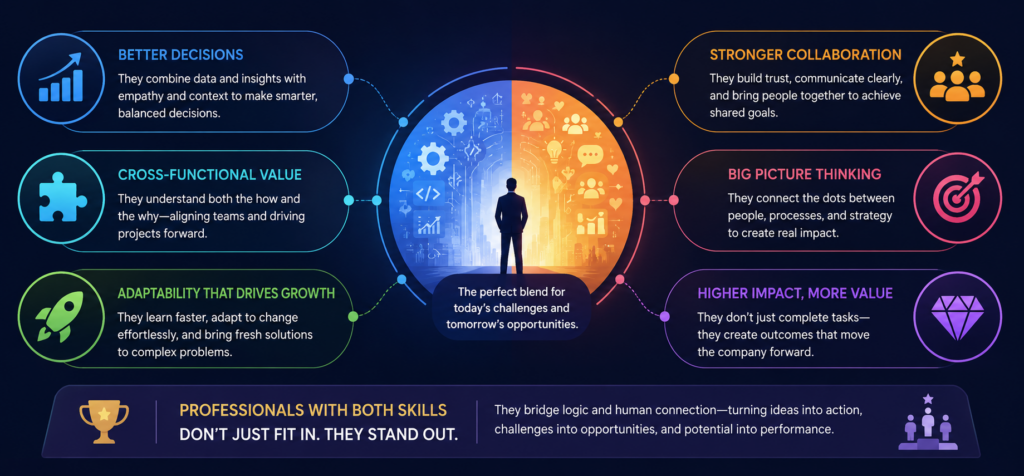
Companies increasingly look for professionals who understand both design and development. This combination improves communication between teams, speeds up project delivery, and helps create products that are both attractive and technically efficient.
Businesses no longer operate in isolated departments. Designers and developers must work closely together to create seamless digital experiences.
When you understand both UI/UX and web development, you can:
- Communicate effectively with design and development teams
- Solve problems from both user and technical perspectives
- Build products faster
- Reduce project errors
- Improve customer satisfaction
According to the World Economic Forum’s Future of Jobs Report, digital skills, problem-solving, and technology literacy remain among the most in-demand capabilities across industries. Professionals who combine creativity with technical expertise are expected to have a significant advantage in the job market.
The Digital Economy Is Creating Massive Demand
Today, nearly every business needs an online presence. From startups and healthcare providers to banks and e-commerce companies, organizations invest heavily in websites, applications, and digital platforms.
According to the U.S. Bureau of Labor Statistics, employment for web developers and digital designers is projected to grow faster than the average for all occupations over the coming decade.
This demand is driven by:
- Growth of e-commerce
- Mobile application development
- Cloud-based platforms
- Artificial intelligence interfaces
- Digital transformation initiatives
Students who complete both a UI/UX design class and a web development program position themselves for opportunities across multiple industries rather than relying on a single career path.
How the Combination Creates a Competitive Edge
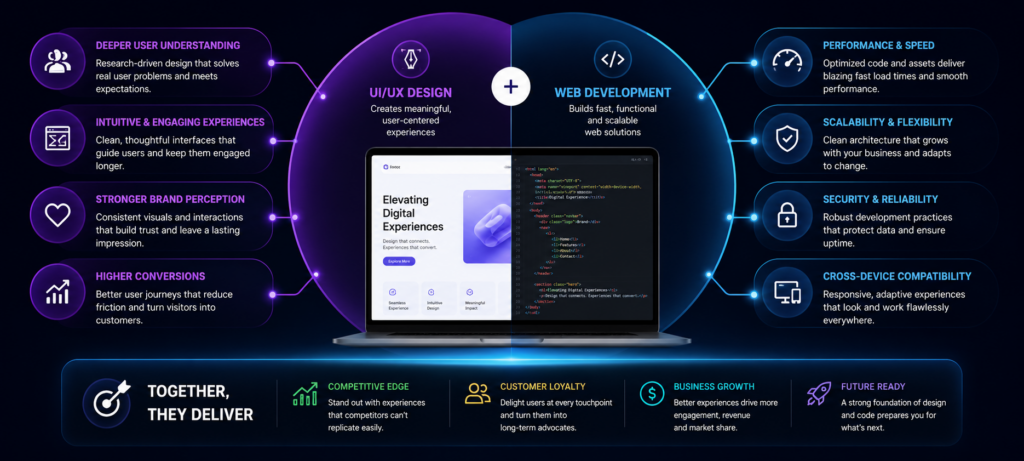
Learning UI/UX design and web development together gives students a unique advantage. It allows them to understand both user needs and technical requirements, making them capable of handling projects from concept to completion.
You Understand the Entire Product Lifecycle
Many professionals specialize in only one area.
A UI/UX designer may create beautiful designs but struggle to understand technical limitations. A developer may build functional products without fully understanding user behavior.
When you learn both disciplines, you gain a complete understanding of the product development process—from concept and research to design, coding, testing, and launch.
This makes you a valuable team member and a stronger candidate during job interviews.
Better Problem-Solving Skills
Modern employers value professionals who can identify and solve problems independently.
By studying design and development together, you learn to:
- Analyze user behavior
- Identify usability issues
- Develop technical solutions
- Optimize website performance
- Improve conversion rates
These skills help businesses increase customer engagement and revenue.
Greater Career Flexibility
One of the biggest advantages of this combination is flexibility.
Career options include:
- UI Designer
- UX Designer
- Web Designer
- Front-End Developer
- Product Designer
- UX Researcher
- Full-Stack Developer
- Interaction Designer
- Digital Product Specialist
Having multiple career paths provides greater job security in a rapidly changing technology landscape.
The Rise of No-Code Tools Doesn’t Replace These Skills
While no-code and AI-powered tools speed up development, they cannot replace human creativity and problem-solving. Businesses still need professionals who can design meaningful user experiences and build customized digital solutions.
Some students worry that no-code website builders and AI-powered tools will replace designers and developers.
The reality is different.
While tools can automate simple tasks, businesses still need professionals who can:
- Understand user needs
- Create strategic experiences
- Build custom solutions
- Optimize performance
- Solve complex technical challenges
Technology changes, but human-centered design and development expertise remain essential.
Learning both UI/UX and web development prepares students to adapt to future technologies rather than compete against them.
Explore more: UI UX Design Course for Beginners: No Coding Needed Guide
Why Students in Kolkata Are Choosing This Career Path
The technology ecosystem in Kolkata continues to expand, creating opportunities for skilled professionals.
Many students are enrolling in UI/UX design courses in Kolkata alongside web development courses to enhance their employability and practical skills.
Employers increasingly prefer candidates who can contribute immediately rather than requiring extensive training after hiring.
A combined learning path allows students to:
- Build stronger portfolios
- Work on real-world projects
- Gain practical experience
- Improve placement opportunities
- Stand out from other applicants
For students seeking industry-relevant skills, this combination offers a strong foundation for long-term career growth.
Skills You Will Learn Through This Combination
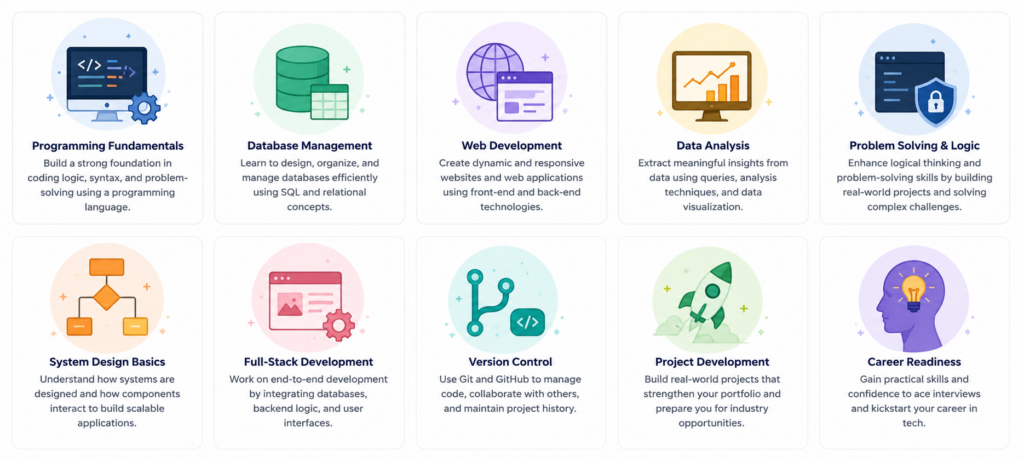
Students gain valuable skills such as wireframing, prototyping, coding, responsive design, user research, and problem-solving. These practical skills help them become job-ready and adaptable to future technology trends.
A well-structured ui ux designing course combined with web development training can help students master:
Design Skills
- User research
- Wireframing
- Prototyping
- Information architecture
- Visual design
- Accessibility principles
Development Skills
- HTML
- CSS
- JavaScript
- Responsive web design
- Version control
- Web deployment
Professional Skills
- Problem-solving
- Team collaboration
- Project management
- Communication
- Critical thinking
These skills remain valuable regardless of future technology trends.
Building a Strong Portfolio for Career Success
A strong portfolio demonstrates both design creativity and technical expertise. By creating real-world projects, students can showcase their abilities to employers and increase their chances of securing internships and full-time positions.
Students should focus on creating projects that demonstrate both design and development expertise.
Examples include:
- Business websites
- E-commerce platforms
- Mobile app prototypes
- Landing pages
- Dashboard interfaces
- Personal portfolio websites
A portfolio showing both user-centered design and technical implementation can significantly improve job prospects.
Future Trends That Support This Career Choice
Emerging technologies such as AI, mobile applications, and digital transformation continue to increase the need for UI/UX designers and web developers. Professionals with expertise in both areas will remain in demand as technology evolves.
Several trends suggest that the combination of UI/UX and web development will remain highly relevant:
AI-Powered Applications: AI tools still require intuitive interfaces and seamless user experiences.
Mobile-First Design: As mobile usage continues to grow, businesses need professionals who can create responsive digital experiences.
Accessibility and Inclusive Design: Governments and organizations increasingly prioritize accessible digital products.
Digital Transformation: Companies across every sector continue investing in digital platforms, websites, and customer experiences.
These trends create long-term demand for professionals with both design and development capabilities.
FAQs
Yes. Most beginner-friendly courses start with design fundamentals, user research, wireframing, and prototyping before moving into advanced concepts.
You can pursue careers such as UI Designer, UX Designer, Front-End Developer, Product Designer, Web Designer, or Full-Stack Developer.
You can pursue careers such as UI Designer, UX Designer, Front-End Developer, Product Designer, Web Designer, or Full-Stack Developer.
Yes. Understanding user behavior and interface design helps cybersecurity professionals create secure systems that users can navigate safely and efficiently.
Yes. As businesses continue investing in digital products, professionals who can design and develop user-centered experiences will remain in high demand.
Conclusion
The future belongs to professionals who can bridge the gap between creativity and technology. A UI/UX design class, a comprehensive UI/UX design course, and a Web Development Course together create a powerful skill set that employers actively seek.
This combination not only opens doors to exciting careers in design and development but also provides advantages in emerging fields such as cybersecurity, product design, and digital transformation. By learning how to create exceptional user experiences and build functional digital products, students can prepare themselves for long-term success in a rapidly evolving job market.
If you’re looking for a career path that offers flexibility, strong demand, and future growth, now is the perfect time to enroll in a UI/UX and web development program and start building the skills employers need today and tomorrow.

Farhat Jabeen is passionate about documenting the student enrollment journey in the fields of technology, design, and digital media. Through her writing, she shares practical guidance, industry insights, and real-world learning experiences that help aspiring students confidently navigate their path toward creative and technology-driven careers. Her goal is to empower learners with the knowledge they need to choose the right educational journey.