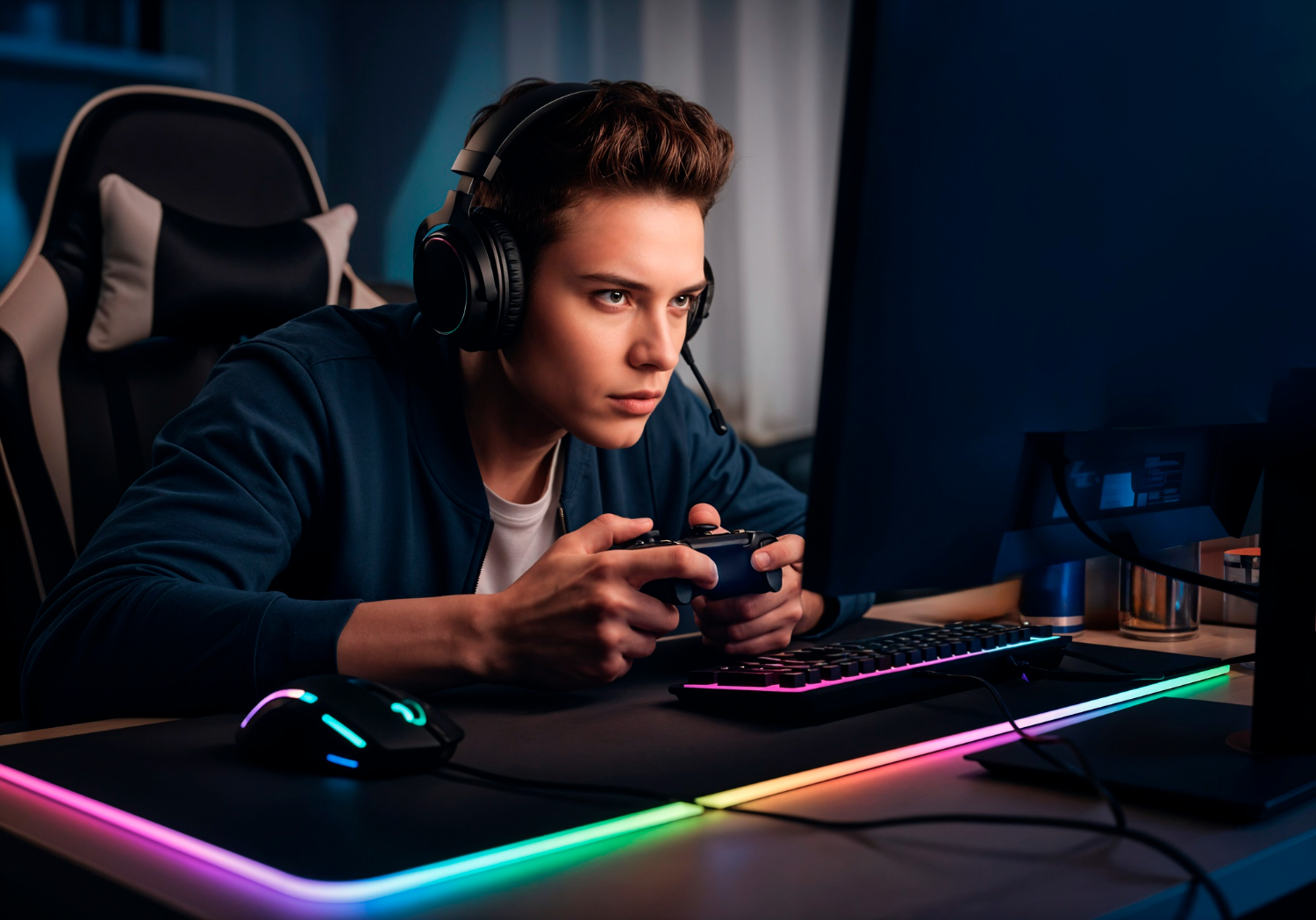
Gaming is no longer just entertainment—it’s a booming global industry filled with career opportunities. From mobile games to immersive virtual worlds, game designers are the creative minds behind these experiences.
If you’re a student wondering how to enter this exciting field, the first step is understanding what skills you need—and how a 3D Gaming Course can help you learn game development from scratch.
This blog will guide you through the essential skills, tools, and learning paths to kickstart your journey as a beginner game designer.
Why Game Design is a Great Career Choice
The gaming industry is growing faster than ever. According to a report by Newzoo, the global gaming market is expected to surpass $200 billion in revenue.
This growth means more demand for skilled professionals who can learn 3D gaming and create engaging experiences.
Benefits of Choosing Game Design:
- High demand for creative professionals
- Opportunities in gaming, animation, film, and AR/VR
- Freelance and global job options
- A blend of creativity and technology
For students and parents, this makes game design a future-ready and stable career path.
What Does a Game Designer Actually Do?
Before diving into skills, it’s important to understand the role.
A game designer is responsible for:
- Creating game concepts and storylines
- Designing characters, environments, and gameplay
- Collaborating with developers, artists, and sound designers
- Testing and improving the gaming experience
A game designing course teaches you how to turn ideas into interactive realities.
Top Skills You Need to Become a Game Designer
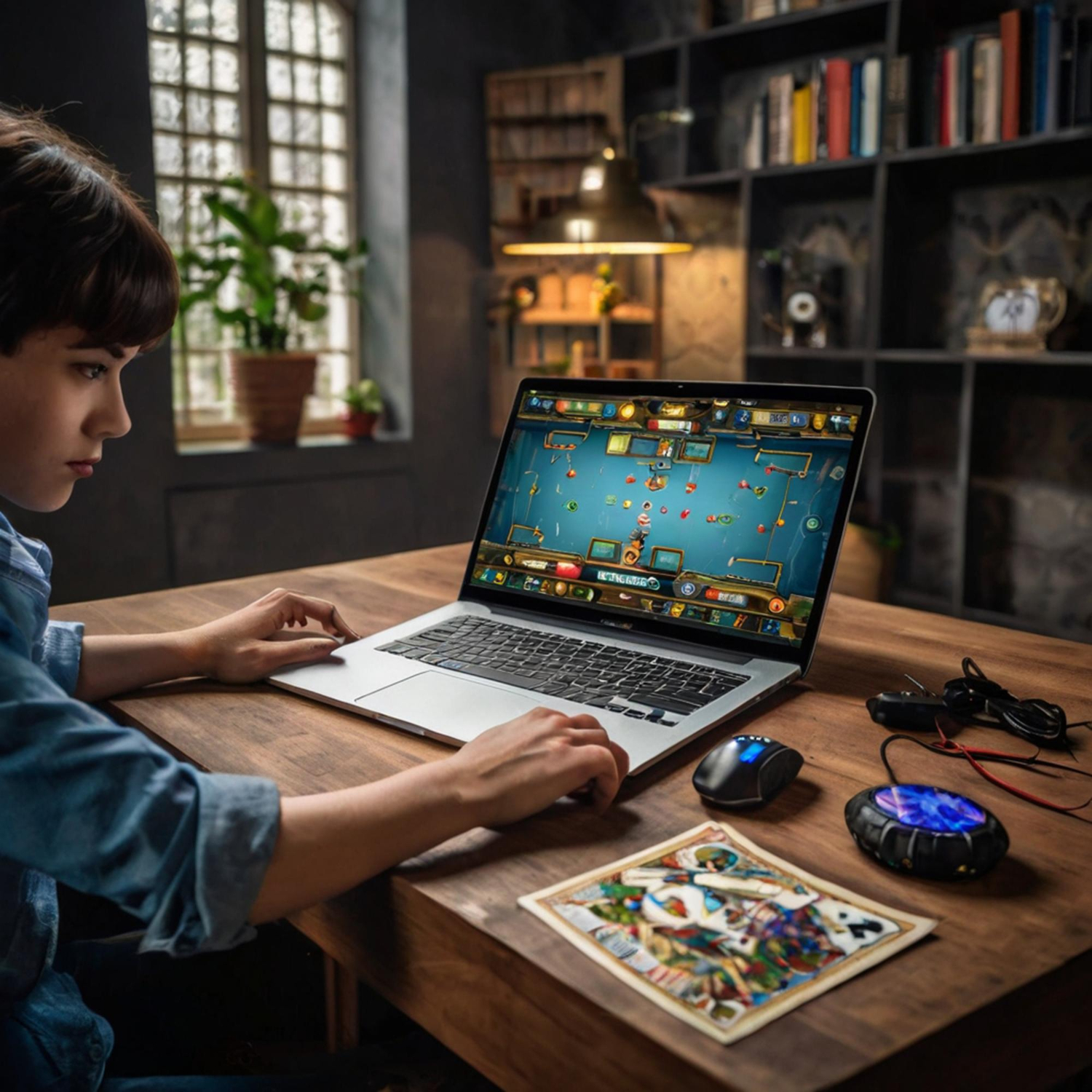
Let’s break down the must-have skills every beginner should focus on.
1. Creativity and Storytelling
At the heart of every great game is a compelling story.
You need to:
- Think creatively
- Build engaging characters
- Design immersive worlds
Games like The Last of Us or God of War succeed because of strong storytelling.
Tip: Start by writing simple game ideas or story concepts.
2. Basic Programming Knowledge
You don’t need to be an expert coder at the beginning, but understanding programming is essential to learn game development.
Common languages:
- C# (for Unity)
- C++ (for Unreal Engine)
- Python (for logic building)
Tip: Focus on logic and problem-solving rather than memorizing code.
3. Understanding Game Engines
Game engines are tools used to create games.
Popular engines include:
- Unity
- Unreal Engine
- Godot
A good 3D Gaming Course will train you on these tools with hands-on projects.
4. 3D Modeling and Design Basics
To learn 3D gaming, you must understand how game assets are created.
This includes:
- Character modeling
- Environment design
- Texturing and lighting
Tools you may learn:
- Blender
- Autodesk Maya
- ZBrush
Tip: Start with simple 3D shapes and gradually move to complex models.
5. Game Mechanics and Level Design
Game mechanics define how a game works.
You’ll learn:
- Player movement
- Scoring systems
- Difficulty balancing
- Level progression
A good designer ensures the game is both fun and challenging.
6. Problem-Solving Skills
Game development involves constant challenges.
You must:
- Debug issues
- Fix gameplay problems
- Improve user experience
Tip: Treat every problem as a puzzle—it’s part of the learning process.
7. Teamwork and Communication
Game design is not a solo job.
You’ll work with:
- Developers
- Artists
- Sound engineers
Clear communication ensures the project runs smoothly.
8. Attention to Detail
Small details can make or break a game.
You need to focus on:
- Graphics quality
- User interface
- Smooth gameplay
Tip: Play games critically and observe what works and what doesn’t.
How a 3D Gaming Course Helps Beginners
Learning on your own can be overwhelming. A structured 3D Gaming Course simplifies the process.
What You’ll Learn:
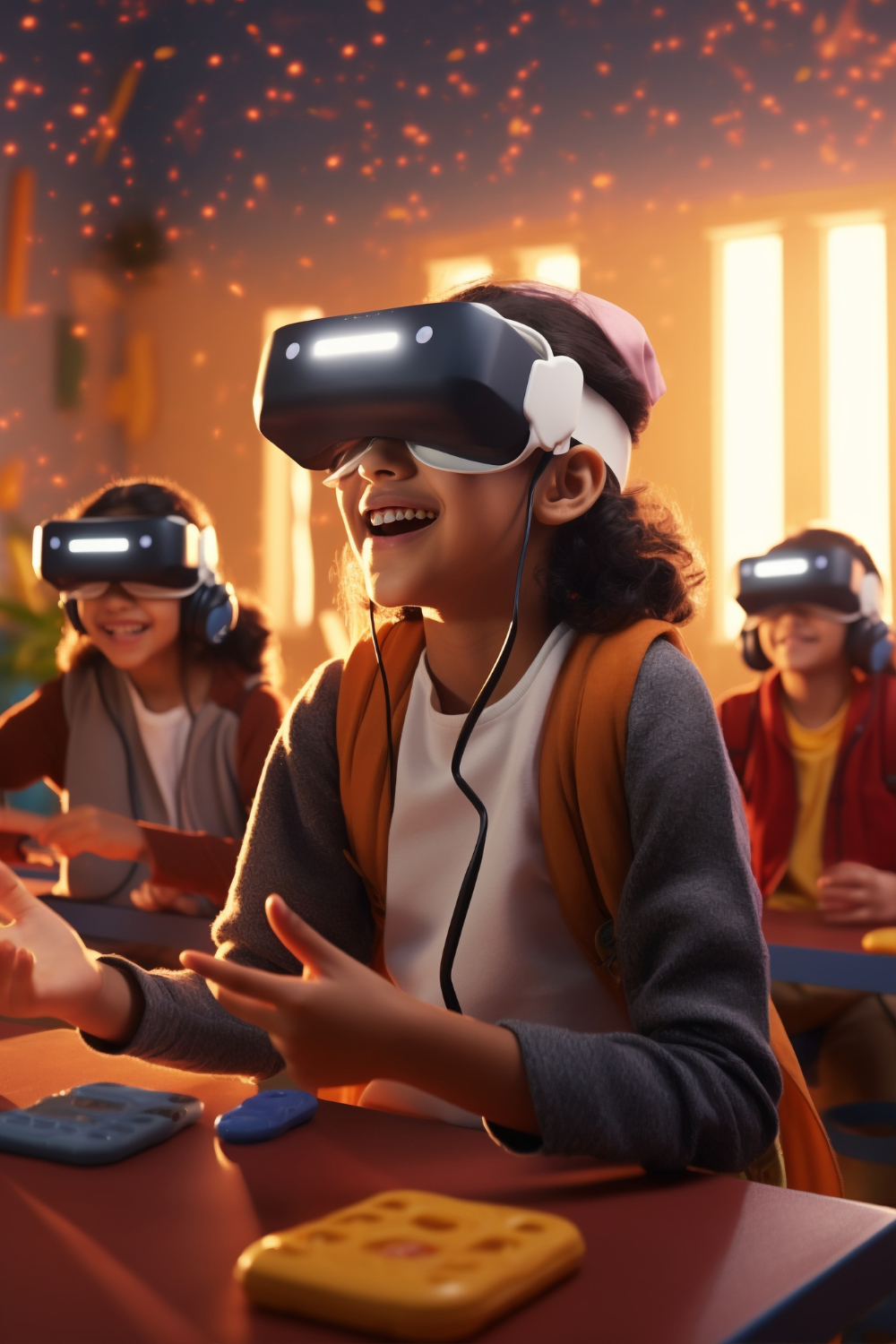
- Game design fundamentals
- 3D modeling and animation
- Game engine training
- Real-world project development
Why Choose a Course?
- Step-by-step learning
- Industry-relevant tools
- Portfolio creation
- Placement support
If your goal is to learn game development professionally, enrolling in a course is the smartest move.
Beginner-Friendly Roadmap to Learn Game Development
Here’s a simple roadmap to get started:
Step 1: Understand Basics
Learn about game design concepts and types of games.
Step 2: Choose a Game Engine
Start with Unity or Unreal Engine.
Step 3: Learn 3D Basics
Practice modeling and animation.
Step 4: Build Small Projects
Create simple games like:
- Endless runner
- Puzzle game
- Basic shooting game
Step 5: Join a Game Designing Course
Get structured training and mentorship.
Real-World Example: From Beginner to Game Designer
Many successful game designers started with zero experience.
For example:
- Students begin with basic tools
- Learn through a game designing course
- Build a portfolio
- Get hired by gaming studios
The key is consistency and practice.
Industry Trends You Should Know
The future of gaming is evolving rapidly.
Key Trends:
- AI in game design
- Virtual Reality (VR) and Augmented Reality (AR)
- Cloud gaming
- Metaverse experiences
Read more about future trends here: https://www.moople.in/blog/the-future-of-game-development/
Staying updated gives you a competitive advantage.
Tools Every Beginner Should Learn
Here are essential tools for aspiring game designers:
Design & Development:
- Unity
- Unreal Engine
3D Modeling:
- Blender
- Maya
Version Control:
- GitHub
Audio & UI:
- Audacity
- Figma
Learning these tools will strengthen your foundation in learn 3D gaming.
Common Mistakes Beginners Should Avoid
Avoid these pitfalls early on:
- Trying to build complex games too soon
- Ignoring basic concepts
- Not practicing regularly
- Skipping portfolio development
Tip: Start small, stay consistent, and keep improving.
How to Build a Strong Game Design Portfolio
Your portfolio is your biggest asset.
Include:
- 2–3 small games
- 3D models and assets
- Game design documents
Tip: Showcase your creativity and problem-solving skills.
FAQs
1. Do I need coding to join a 3D Gaming Course?
No, beginners can start without coding knowledge. Most courses teach programming from the basics.
2. How long does it take to learn game development?
It usually takes 6–12 months to build strong foundational skills with consistent practice.
3. Can I learn game design after 12th?
Yes, students can enroll in a game designing course right after 12th.
4. What jobs can I get after a 3D Gaming Course?
You can become a game designer, level designer, 3D artist, or game developer.
5. Is game design a good career in India?
Yes, the gaming industry in India is growing rapidly, offering strong career opportunities.
Conclusion
Becoming a game designer may seem challenging at first, but with the right skills and guidance, it’s completely achievable.
By focusing on creativity, programming basics, 3D design, and problem-solving, you can build a strong foundation. A structured 3D Gaming Course helps you learn game development efficiently and prepares you for real-world opportunities.
If you’re passionate about gaming and want to turn it into a career, now is the perfect time to start.
Take the first step today—enroll in a professional game designing course and begin your journey toward becoming a game designer.

Farhat Jabeen is passionate about documenting the student enrollment journey in the fields of technology, design, and digital media. Through her writing, she shares practical guidance, industry insights, and real-world learning experiences that help aspiring students confidently navigate their path toward creative and technology-driven careers. Her goal is to empower learners with the knowledge they need to choose the right educational journey.