In today’s digital entertainment industry, stunning visuals are no longer optional—they are essential. Whether it’s a blockbuster movie, an animated film, a video game, or an advertisement, lighting plays a crucial role in creating realistic and emotionally engaging scenes. Behind every visually captivating frame stands a skilled lighting artist who understands how light influences mood, storytelling, and visual impact.
As the demand for high-quality visual content continues to grow, students who enroll in 3d animation classes gain valuable industry-relevant expertise that opens doors to rewarding career opportunities.
If you are passionate about creativity, visual storytelling, and digital art, this guide will help you understand how 3D animation training can transform you into a future-ready lighting artist.
Why Lighting Artists Are Essential in the Animation Industry
Lighting artists play a vital role in the animation industry by transforming ordinary 3D scenes into visually stunning and emotionally engaging experiences. They use lighting, shadows, colors, and reflections to create atmosphere, guide the viewer’s attention, and enhance storytelling. No matter how detailed the characters or environments are, effective lighting is essential to bring them to life and make them appear realistic.
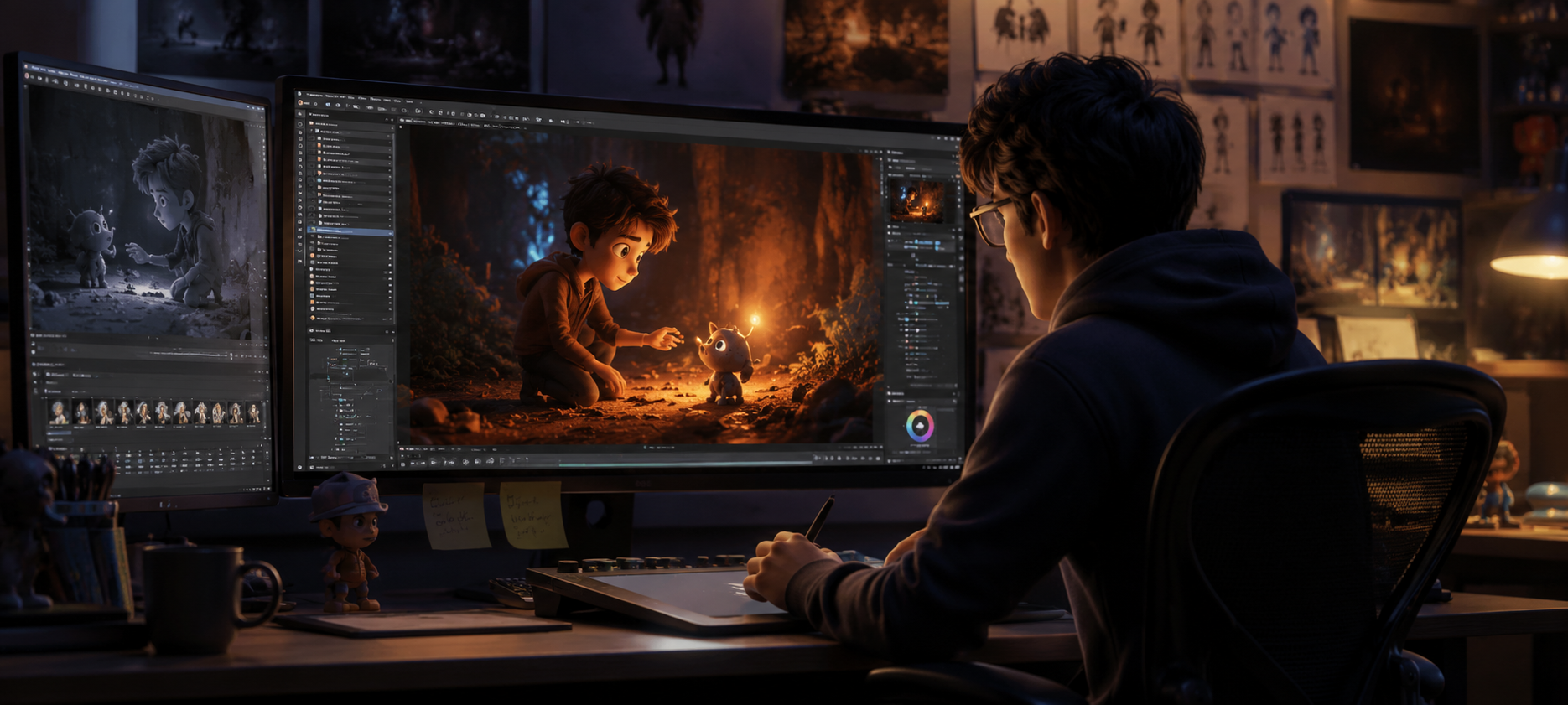
For students pursuing a 3D animation course, understanding the importance of lighting is crucial to building a successful career in animation and visual effects.
Why Lighting Artists Are Important
Create Realistic Visuals
Lighting artists simulate the behavior of real-world light to make animated scenes look natural and believable. Proper lighting helps characters, objects, and environments appear more lifelike and visually appealing.
Enhance Storytelling
Lighting helps convey emotions and supports a scene’s narrative. Bright lighting can create a cheerful atmosphere, while darker lighting can build suspense, tension, or mystery.
Direct the Audience’s Attention
Strategic lighting highlights important characters, objects, or actions within a scene. This helps viewers focus on key story elements without becoming distracted by less important details.
Add Depth and Dimension
Through the use of shadows, highlights, and contrast, lighting artists create a sense of depth that makes scenes feel more realistic and three-dimensional.
Improve Visual Quality
High-quality lighting enhances the overall appearance of an animation project. Well-lit scenes look more professional and polished, increasing the production’s visual appeal.
Support Character Presentation
Lighting helps showcase character expressions, movements, and details. It ensures that audiences can clearly see and connect with the characters on screen.
Enhance Environmental Design
Whether it’s a cityscape, fantasy world, or interior space, lighting helps bring environments to life by creating realistic and immersive settings.
Contribute to Final Rendering
Before an animation reaches its audience, lighting artists optimize scenes for rendering. Their work ensures the final output maintains high quality while meeting production deadlines efficiently.
As the animation, gaming, and VFX industries continue to grow, skilled lighting artists remain an essential part of every successful production, making this career path an exciting opportunity for students enrolled in a 3D animation course.
Understanding the Role of a Lighting Artist
A lighting artist is a creative professional responsible for illuminating digital scenes in animation, visual effects (VFX), gaming, and film production. Their job is to use light strategically to create realism, establish mood, enhance storytelling, and improve the overall visual quality of a project. Lighting artists combine artistic creativity with technical knowledge to ensure that every scene looks engaging and believable. For students pursuing 3D animation training, understanding the role of a lighting artist is essential, as lighting is one of the most important elements in the animation production pipeline.
Key Responsibilities of a Lighting Artist
Creating Lighting Setups
Lighting artists design and position digital light sources within a scene to achieve the desired visual effect. They determine the intensity, color, and direction of light to create realistic and visually appealing environments.
Enhancing Storytelling Through Light
Every scene tells a story, and lighting helps communicate emotions and atmosphere. A lighting artist uses different lighting techniques to create moods such as excitement, suspense, happiness, or drama.
Managing Shadows and Highlights
Proper shadows and highlights add depth and realism to characters and environments. Lighting artists carefully balance these elements to ensure scenes look natural and visually engaging.
Creating Realistic Environments
Whether it’s a bright outdoor setting or a dimly lit room, lighting artists simulate real-world lighting conditions to make digital environments feel authentic and immersive.
Improving Scene Composition
Lighting helps direct the viewer’s attention toward important characters, objects, or actions. By highlighting key elements, lighting artists improve the overall composition and visual storytelling of a scene.
Working with Rendering Tools
Lighting artists use rendering software such as Arnold, V-Ray, Redshift, and Unreal Engine to produce high-quality final images. They adjust lighting settings to achieve the best balance between quality and performance.
Collaborating with Production Teams
They work closely with animators, modelers, texture artists, compositors, and VFX professionals to ensure consistency throughout the production process and maintain the artistic vision of the project.
Optimizing Rendering Performance
Complex lighting setups can increase rendering times. Lighting artists optimize scenes to ensure efficient rendering while maintaining high visual quality and production deadlines.
Maintaining Visual Consistency
Throughout an animation or film project, lighting artists ensure that all scenes follow a consistent visual style, helping create a seamless viewing experience for the audience.
Solving Technical and Creative Challenges
Lighting artists often troubleshoot issues related to shadows, reflections, rendering artifacts, and scene balance. Their problem-solving skills are essential for achieving professional-quality results.
How a 3D Animation Course Builds Lighting Expertise
A professional 3D animation course teaches students the fundamentals of lighting, rendering, and visual design. Through practical projects and software training, learners develop the skills needed to create professional-quality lighting setups used in films, games, and advertisements.
A well-structured 3d animation course in Kolkata goes beyond teaching software. It develops artistic understanding, technical proficiency, and production workflows.
Students learn how lighting contributes to storytelling while mastering industry-standard tools used in professional studios.
Foundation of Visual Design
Before creating advanced lighting setups, students must understand visual design principles.
Training includes:
- Color theory
- Composition
- Perspective
- Visual hierarchy
- Cinematic framing
These fundamentals help lighting artists make creative decisions that enhance scene quality.
Learning Industry-Standard Software
Modern studios rely on professional software to create realistic lighting effects.
Students in advanced 3d animation classes typically learn:
- Autodesk Maya
- Blender
- Arnold Renderer
- V-Ray
- Unreal Engine
- Adobe After Effects
Hands-on training enables students to build practical production skills that employers value.
Understanding Light Behavior
A professional 3d animation institute teaches students how real-world light behaves and how to replicate it digitally.
Topics include:
- Direct lighting
- Indirect lighting
- Global illumination
- Reflection
- Refraction
- Ambient lighting
- Volumetric effects
This knowledge forms the foundation of realistic visual creation.
Skills Developed Through Advanced 3D Animation Training
Students gain a combination of creative and technical skills, including scene composition, color theory, rendering techniques, and problem-solving. These skills help aspiring lighting artists create realistic visuals and adapt to industry requirements.
Students enrolled in advanced 3d animation programs develop a broad range of creative and technical abilities.
Artistic Skills
Creative skills include:
- Visual storytelling
- Color psychology
- Scene composition
- Cinematic aesthetics
- Mood creation
These abilities allow artists to produce emotionally impactful visuals.
Technical Skills
Technical expertise includes:
- Lighting setup creation
- Rendering techniques
- Shader understanding
- Scene optimization
- Compositing workflows
Employers highly value candidates who possess both creative and technical strengths.
Problem-Solving Abilities
Animation production often involves complex challenges.
Students learn how to:
- Resolve rendering issues
- Optimize heavy scenes
- Improve visual quality
- Meet production deadlines
These skills become invaluable in professional studio environments.
The Growing Demand for Lighting Artists
The demand for lighting artists is increasing as the animation, gaming, and VFX industries continue to expand. Companies require skilled professionals who can create immersive visual experiences, making lighting artistry a promising career choice. The global animation and VFX industry continues to expand rapidly.
According to the global animation market reports from organizations such as the International Animated Film Association (ASIFA) and industry insights from the Autodesk Media & Entertainment Industry Reports, demand for skilled animation professionals is increasing across film, gaming, advertising, architecture visualization, and virtual production sectors.
Businesses increasingly rely on immersive digital experiences, creating strong demand for specialists in lighting and rendering.
Career Opportunities After Completing a 3D Animation Course
A professional 3D animation course opens the door to a wide range of exciting career opportunities in animation, gaming, visual effects (VFX), advertising, filmmaking, and digital media. As the demand for high-quality visual content continues to grow, companies are actively seeking skilled professionals who can create engaging animations, realistic environments, and stunning visual effects. Whether you are interested in creative design, technical production, or storytelling, a career in 3D animation offers excellent growth potential and global job opportunities.
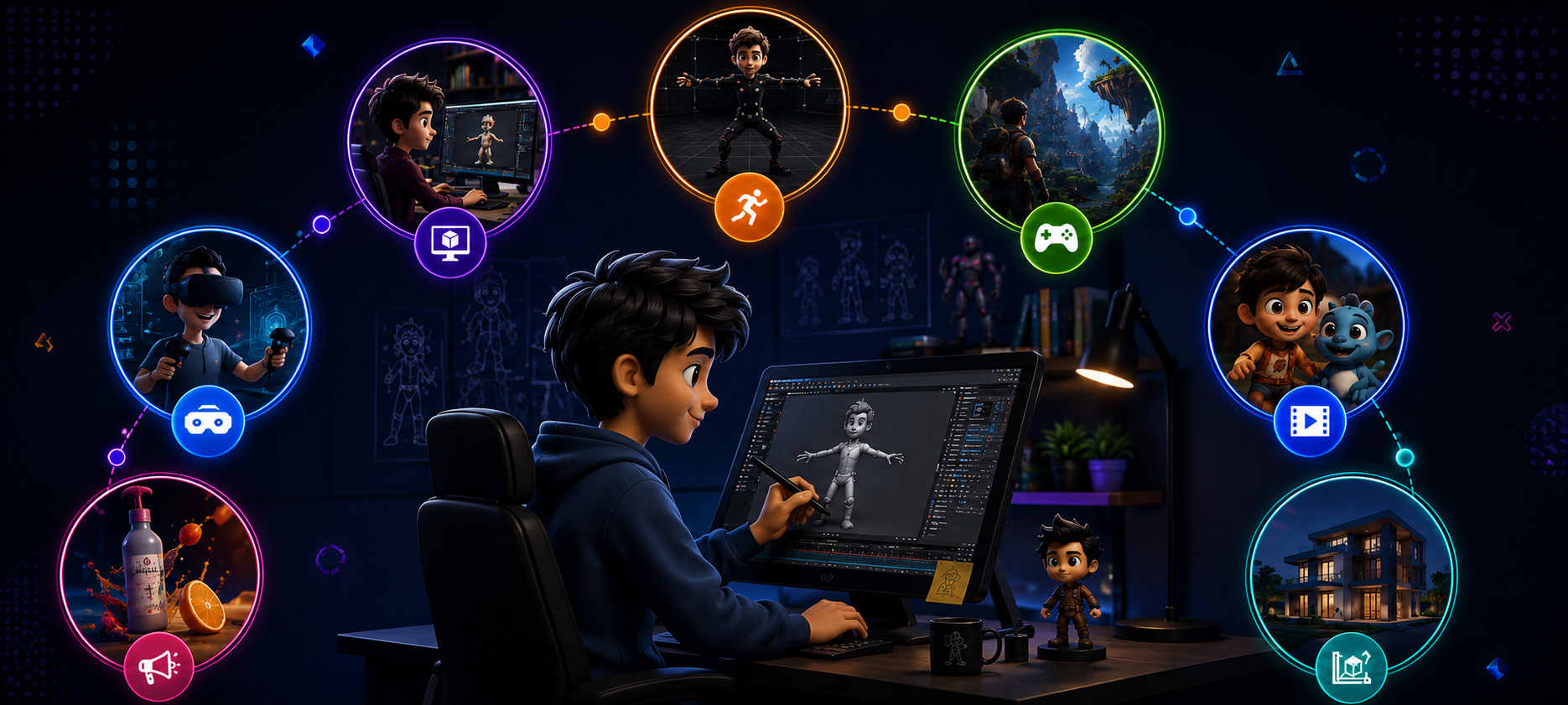
Top Career Opportunities in 3D Animation
3D Animator
A 3D animator brings characters, objects, and environments to life through movement and expression. They work on animated films, television shows, advertisements, video games, and digital content to create realistic and engaging animations.
Lighting Artist
Lighting artists create and manage lighting setups that enhance mood, realism, and storytelling. They use light, shadows, and reflections to improve the visual quality of animated scenes and VFX projects.
3D Modeler
A 3D modeler designs and creates digital characters, props, vehicles, buildings, and environments. Their work serves as the foundation for animation, gaming, and visual effects productions.
Texture Artist
Texture artists add colors, patterns, and surface details to 3D models. They ensure that characters and objects look realistic by creating textures such as skin, fabric, metal, wood, and other materials.
Rigging Artist
Rigging artists create the digital skeletons and control systems that allow characters and objects to move naturally. Their work helps animators create realistic motions and expressions efficiently.
VFX Artist
Visual Effects (VFX) artists create special effects such as explosions, fire, smoke, water simulations, and magical elements. They work extensively in films, television productions, and gaming projects.
Compositing Artist
Compositing artists combine multiple visual elements, including animation, VFX, and live-action footage, into a seamless final shot. They ensure that all visual components blend naturally together.
Game Artist
Game artists create characters, environments, assets, and animations for video games. They work closely with game developers to design immersive gaming experiences for players.
Environment Artist
Environment artists build realistic and visually appealing digital worlds for films, games, and virtual experiences. Their work includes landscapes, cities, interiors, and fantasy environments.
Motion Graphics Designer
Motion graphics designers create animated graphics, logos, promotional videos, and visual content for advertising, marketing campaigns, television broadcasts, and social media platforms.
Character Designer
Character designers develop the appearance, personality, and visual style of animated characters. They create concept art and detailed designs that guide the animation production process.
Storyboard Artist
Storyboard artists visually plan scenes before production begins. They create illustrated sequences that help directors and production teams understand camera angles, character movements, and storytelling flow.
3D Visualization Artist
Visualization artists create realistic architectural, product, and interior design presentations. Their work helps clients visualize projects before construction or manufacturing begins.
Freelance Animation Artist
Many animation professionals choose freelancing, allowing them to work with clients worldwide on various projects. Freelancers enjoy flexibility while building their own creative careers and businesses.
Industries That Hire 3D Animation Professionals
- Animation Studios
- Gaming Companies
- VFX and Film Production Houses
- Advertising and Marketing Agencies
- Television and Media Companies
- Architecture and Interior Design Firms
- E-learning and EdTech Companies
- Virtual Reality (VR) and Augmented Reality (AR) Companies
- Product Design and Manufacturing Companies
Completing a 3D animation course can lead to a rewarding career in one of the world’s fastest-growing creative industries
👉 The student who wants to learn more :
What Jobs Can You Get After Learning a 3D Animation Degree?
Why Kolkata Is Emerging as an Animation Education Hub
Kolkata has become a popular destination for animation education due to its growing creative industry, experienced faculty, and affordable training programs. Students can access quality learning opportunities and build strong foundations for successful careers.
Kolkata has become an important destination for creative education and animation training.
The city offers:
- Growing media and entertainment industries
- Affordable education opportunities
- Access to experienced trainers
- Strong student communities
- Expanding job opportunities
Students seeking a 3d animation course in Kolkata can benefit from industry-oriented training programs that prepare them for global career opportunities.
Understanding 3D Animation Course Fees in Kolkata
One of the most common questions students ask is about training costs.
The 3d Animation course Fees in Kolkata vary depending on:
- Course duration
- Curriculum depth
- Software coverage
- Placement support
- Industry certifications
- Infrastructure facilities
Short-term programs generally cost less, while comprehensive diploma and degree programs provide broader industry exposure.
Students should focus on training quality, portfolio development, and placement support rather than selecting a course solely based on fees.
How 3D Animation Design Enhances Career Success
In today’s digital world, 3D animation design is a highly valuable skill that opens doors to numerous career opportunities across industries such as animation, gaming, filmmaking, advertising, architecture, and virtual reality. A professional 3D animation course helps students develop both creative and technical expertise, making them well-prepared for the demands of the modern job market. By mastering 3D animation design, aspiring artists can build rewarding careers while staying competitive in an ever-evolving industry.
Ways 3D Animation Design Contributes to Career Growth
Develops Creative Thinking
3D animation design encourages students to think creatively and transform ideas into engaging visual content. This ability helps professionals create unique projects that stand out in the competitive entertainment and media industries.
Builds Technical Expertise
Students gain hands-on experience with industry-standard software such as Maya, Blender, and Unreal Engine. These technical skills are highly valued by employers looking for job-ready animation professionals.
Expands Career Opportunities
Knowledge of 3D animation design allows graduates to pursue various roles, including animator, lighting artist, modeler, texture artist, VFX artist, and game designer, increasing their employment prospects.
Enhances Problem-Solving Skills
Animation projects often involve technical and creative challenges. Learning how to troubleshoot issues and find effective solutions helps professionals perform efficiently in real-world production environments
Improves Portfolio Quality
Strong animation design skills enable students to create impressive projects that showcase their creativity and technical abilities. A professional portfolio significantly increases the chances of securing internships and job opportunities.
Supports Freelance and Entrepreneurial Careers
Many skilled animators work independently as freelancers or start their own creative businesses. 3D animation design provides the expertise needed to attract clients and deliver high-quality projects.
Encourages Collaboration and Teamwork
Animation production involves working with multiple departments, including modeling, rigging, lighting, and VFX teams. Learning collaborative workflows prepares students for professional studio environments.
Keeps Professionals Industry-Ready
The animation industry continuously evolves with new technologies and trends. Training in 3D animation design helps students stay updated and adapt to changing industry requirements.
Provides Global Career Opportunities
The animation and VFX industry operates on a global scale, allowing skilled professionals to work with international studios, remote teams, and global clients from anywhere in the world.
These multidisciplinary skills increase career versatility and improve job prospects across creative industries.
Future Trends in Lighting and Animation
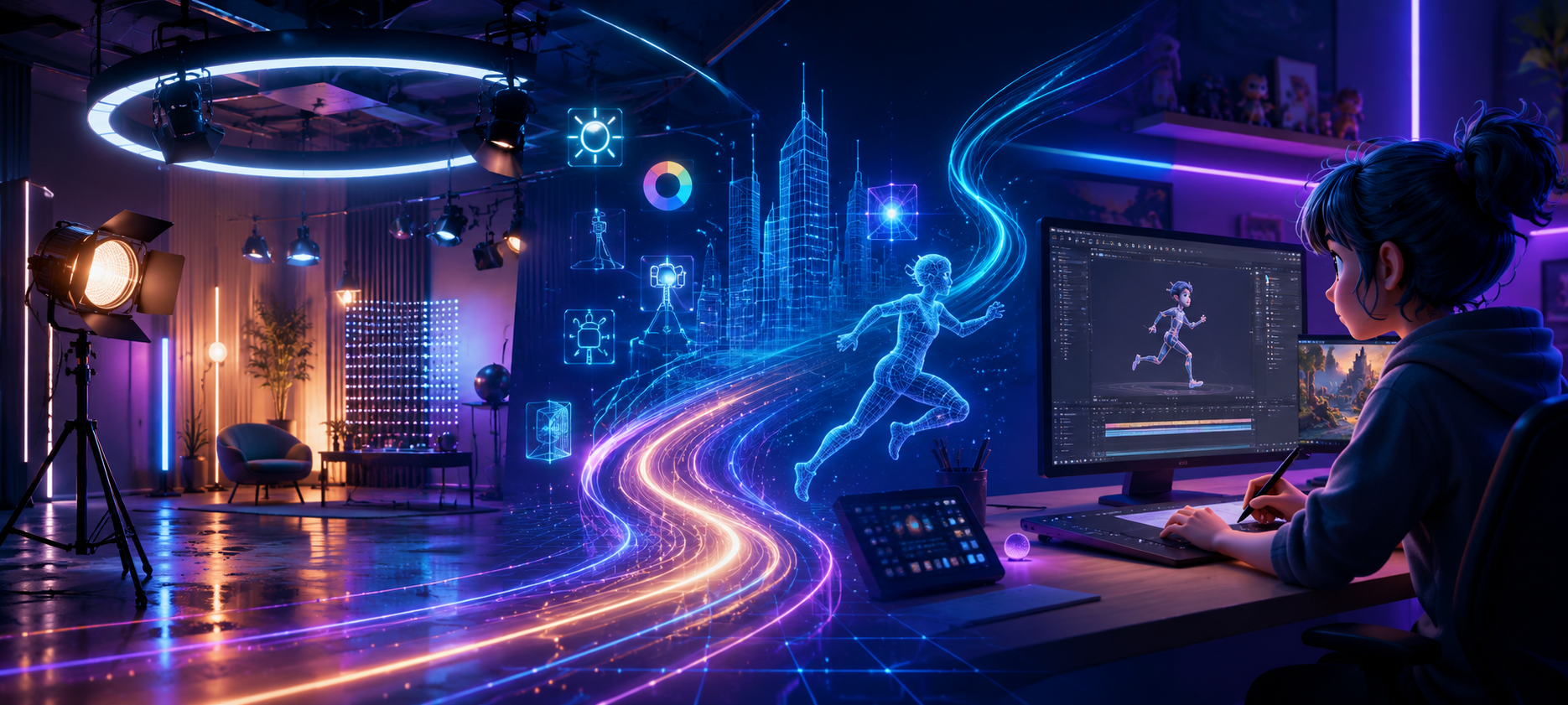
The animation industry is evolving rapidly with the introduction of new technologies and production techniques. Modern lighting artists are no longer limited to traditional rendering methods; they now work with real-time engines, AI-powered tools, and immersive digital environments. As the demand for high-quality visual content continues to grow across films, gaming, advertising, and virtual experiences, staying updated with emerging trends is essential for aspiring professionals pursuing a 3D animation course.
Key Future Trends in Lighting and Animation
Real-Time Rendering
Real-time rendering technology allows artists to view lighting, shadows, and visual effects instantly without waiting for lengthy render times. Tools like Unreal Engine are transforming animation production by enabling faster workflows and quicker creative decisions.
Artificial Intelligence (AI) in Animation
AI is helping artists automate repetitive tasks such as scene optimization, lighting adjustments, and rendering processes. This allows professionals to focus more on creativity and storytelling while improving overall production efficiency.
Virtual Production
Virtual production combines physical filmmaking with digital environments in real time. Popularized by major film studios, this technology enables lighting artists to create and adjust realistic lighting setups directly within virtual sets.
Virtual Reality (VR) and Augmented Reality (AR)
The growing popularity of VR and AR experiences is creating new opportunities for lighting artists. These immersive technologies require specialized lighting techniques to make digital environments feel realistic and interactive.
Cloud-Based Rendering
Cloud rendering services allow animation studios to process complex scenes faster by using powerful remote servers. This reduces production time and enables teams from different locations to collaborate more effectively.
Advanced Global Illumination Techniques
Future lighting systems are becoming more sophisticated, accurately simulating how light behaves in the real world. This results in highly realistic shadows, reflections, and environmental lighting effects.
Integration of Gaming and Animation Pipelines
The boundaries between gaming and animation are becoming increasingly blurred. Many studios now use game engines for animation projects, creating a demand for lighting artists who understand both industries.
Photorealistic Visuals
Audiences increasingly expect lifelike visuals in films, games, and advertisements. Lighting artists will play a critical role in achieving photorealism through advanced rendering and lighting techniques.
Interactive Storytelling Experiences
Modern digital experiences are becoming more interactive, requiring dynamic lighting that responds to user actions. This trend is particularly important in gaming, VR, and immersive entertainment.
Sustainable and Efficient Production Workflows
Studios are adopting energy-efficient rendering solutions and optimized production pipelines. Future lighting artists will need to balance visual quality with performance and sustainability considerations.
FAQs
1. What does a lighting artist do in animation?
A lighting artist creates and manages digital lighting setups that enhance realism, mood, and storytelling in animated scenes.
2. Is a 3D animation course suitable for beginners?
Yes. Most professional 3D animation courses start with fundamentals and gradually progress toward advanced production skills.
3. What software do lighting artists use?
Common tools include Autodesk Maya, Blender, Arnold Renderer, V-Ray, Unreal Engine, and After Effects.
4. What are the career opportunities after completing a 3D animation course?
Graduates can work as lighting artists, rendering artists, compositors, VFX artists, environment artists, and look development specialists.
5. How much are the 3D Animation courses’ fees?
The 3D Animation course fees depend on course duration, curriculum, certifications, and placement support. Students should compare value and career outcomes rather than cost alone.
Conclusion
The modern entertainment and digital media industries rely heavily on skilled lighting artists to create visually stunning experiences. Through professional training, students learn how to transform ordinary scenes into compelling visual stories that captivate audiences worldwide.
A comprehensive 3D animation course equips aspiring artists with the artistic vision, technical expertise, and practical experience required to succeed in today’s competitive creative industry. Whether you are exploring 3d animation classes, considering a BSc in 3d animation and VFX, or searching for a reputable 3d animation course in Kolkata, investing in quality education can be the first step toward a rewarding career.
If you’re passionate about creativity, technology, and storytelling, now is the perfect time to enroll in a professional animation program and begin your journey toward becoming a successful lighting artist

Farhat Jabeen is passionate about documenting the student enrollment journey in the fields of technology, design, and digital media. Through her writing, she shares practical guidance, industry insights, and real-world learning experiences that help aspiring students confidently navigate their path toward creative and technology-driven careers. Her goal is to empower learners with the knowledge they need to choose the right educational journey.